
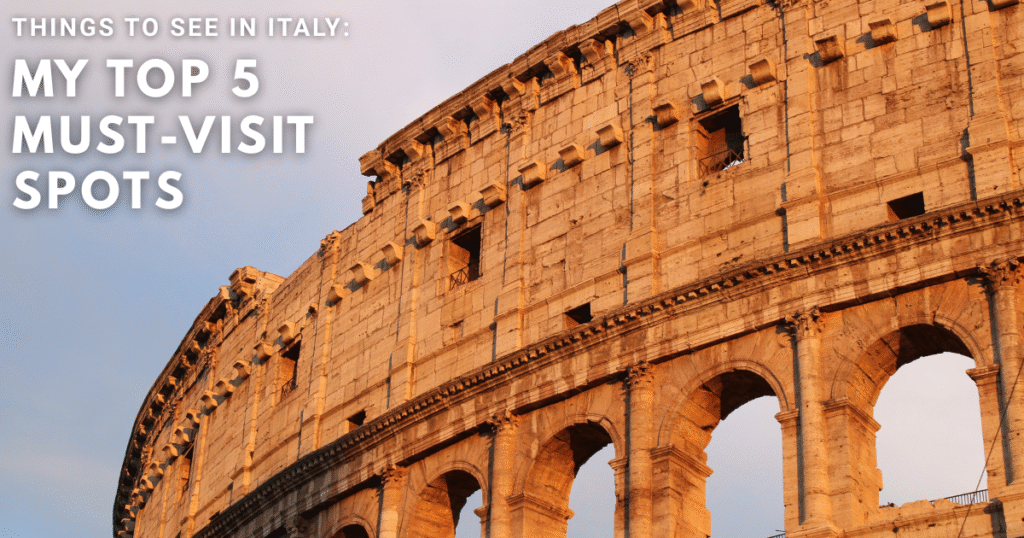
Things To See in Italy: My Top 5 Must-Visit Spots
Planning a trip to Italy? From the colourful coastlines of Cinque Terre to the historic heart of Rome, here are the top things to see in Italy—based on my 2024 summer adventures. This post includes travel tips, cultural highlights, and ways to make your journey a little more budget-friendly.
Table of Contents
Why Italy Should Be on Your Bucket List
Italy isn’t just one place—it’s a dozen unique experiences that can be stitched together however you’d like. You can hike rugged alpine trails one day, and the next be sipping limoncello (or Ace juice for the kids) by the beach. I visited Italy in the summer of 2024 with my mom, sister, a friend, and her mom, and we covered a pretty diverse route—from mountain towns to seaside villages and historic cities.
Whether you’re backpacking or just planning a chill girls’ trip, there are so many amazing things to see in Italy that it can feel overwhelming. So here are my first-hand favourites from the places we visited, plus a few tips to help you avoid tourist traps and travel smartly.
1. The Dolomites – A Hiker’s Alpine Dream
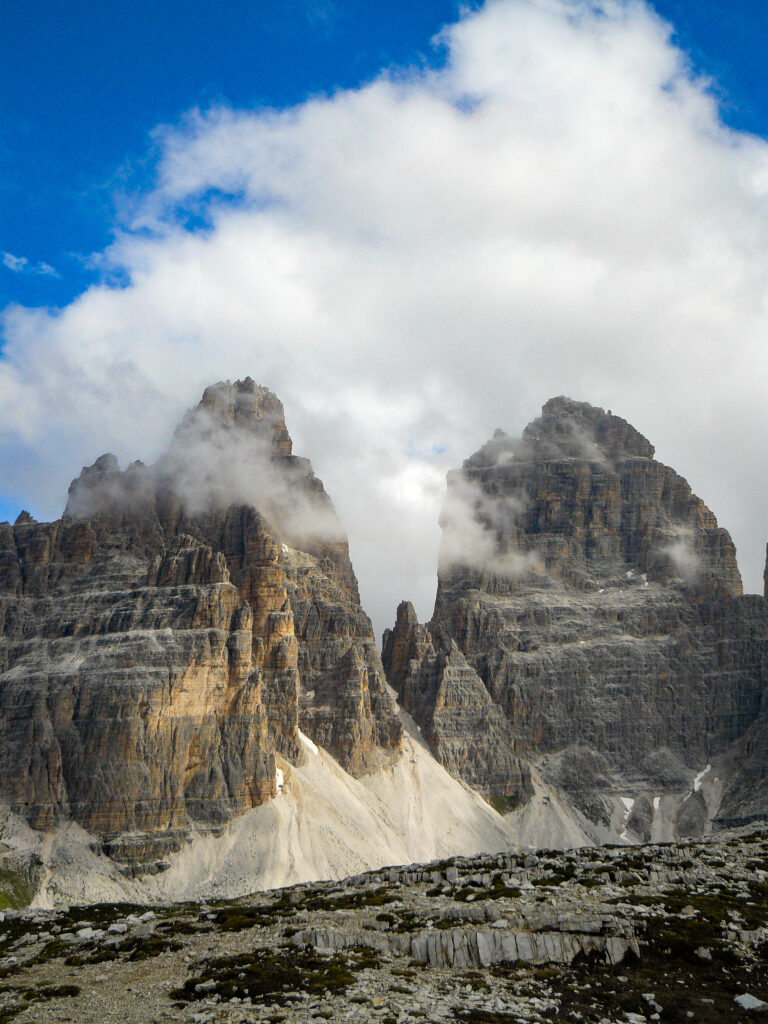
If you’ve only ever associated Italy with pasta and the Colosseum, the Dolomites will blow your mind. While my sister and our friend attended a language camp, (check out Speak Teens here!) the moms and I hiked the mountains for a week, staying in cozy alpine hotels and drinking what I now consider to be the world’s best hot chocolate at 2,000 meters above sea level.
- Top Hikes: Tre Cime di Lavaredo is iconic and relatively beginner-friendly. Another easy hike is Lago di Braies , known for it’s stunning emerald-coloured lake and waterside hotel. Lago di Carezza is more touristy, but still stunning and worth it, and I also recommend checking out Alpe di Siusi for beautiful alpine meadows.
- Where to Stay: Hotel Croda Rossa and X Alp Hotel both make great bases and have continental breakfasts included.
- Budget Tip: If you plan on staying in a rifugio, book early—though we never stayed in one, they do include dinner/breakfast.
- Extra Tip: Bring a wide-angle lens or use the wide angle option on your phone; the jagged peaks are unreal.
The Dolomites were my second favourite stop—peaceful, awe-inspiring, and way less crowded than major cities. (Keep reading to hear about #1 on my list.)
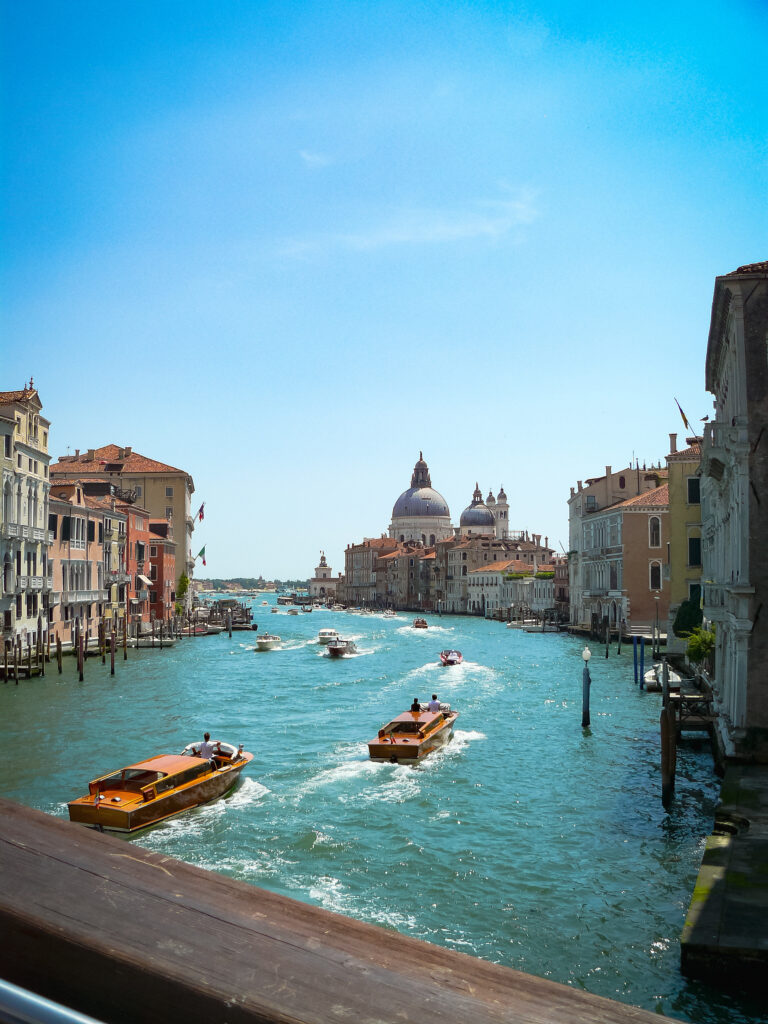
2. Venice – Like Nowhere Else on Earth
Yes, it’s touristy. But I would definitely say that Venice is still very worth it. There’s not many places in the world where you can float past Renaissance buildings in a vaporetto (water bus) We took a train down from Bologna, and spent a couple days getting blissfully lost.
- Must-See: St. Mark’s Basilica (go early and save yourself from waiting in line in the sun), the Rialto Bridge, and check out Doge’s Palace for beautiful, gold-framed ceiling artwork, as well as the opportunity to walk across the Bridge of Sighs.
- Budget Tip: Skip the gondola (€80+) and take the vaporetto for €9 instead if you want to see the city from the water.
- Cultural Note: Venice does have some strict tourist rules—make sure to read the signs and respect quiet zones.
- Photo Tip: If you’d like to get shots of empty canals, get out early in the morning. Verrrryyy early if you’re there in the summer, it gets busy fast.
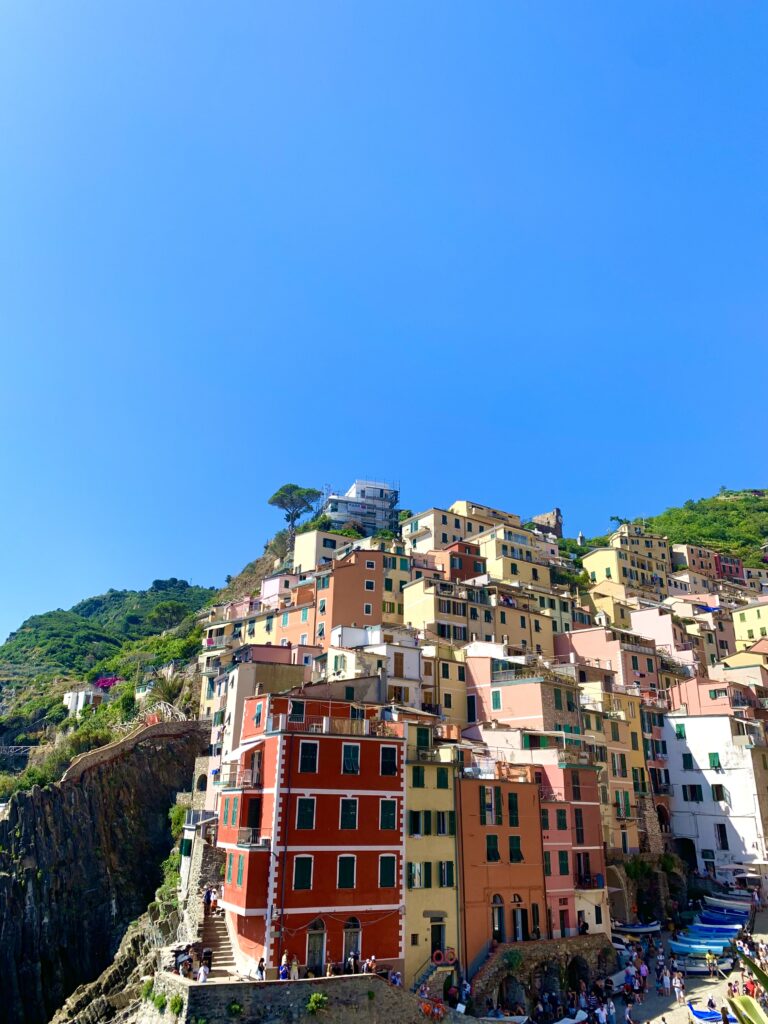
3. Cinque Terre – Colorful Coastlines & Lazy Afternoons
If Italy was a mood board, Cinque Terre would be the aesthetic page: it’s full of pastel houses, sea cliffs, and lemon trees. We slowed things way down here—swimming, sunbathing, and making lemonade from the lemon tree just off the patio of our AirBnB.
- Villages: Visit Vernazza for views, Monterosso for the beach and cute seaside markets (where we stayed), Riomaggiore for the colourful houses you see below. (And apparently, its also a very popoular spot for cliff diving!)
- Budget Tip: This was the most expensive stop, so avoid paying extra for a chair and umbrella at Monterosso. Bring a towel/blanket to lay on, the sand is just as comfortable, just get there early to claim your spot. Don’t forget to wear lots of sunscreen and drink lots of water if you’re spending a day by the Mediterranean in the summer… and watch out for jellyfish. It wasn’t bad, but both my sister and my friend got stung.
- Extra Tip: There are boat tours, but you can also just catch a ferry and see all the villages in one day if you wish!
Cinque Terre was my #1 favourite stop, (I think for obvious reasons), and it was the perfect place to recharge mid-trip.
4. Florence – Renaissance & Architecture
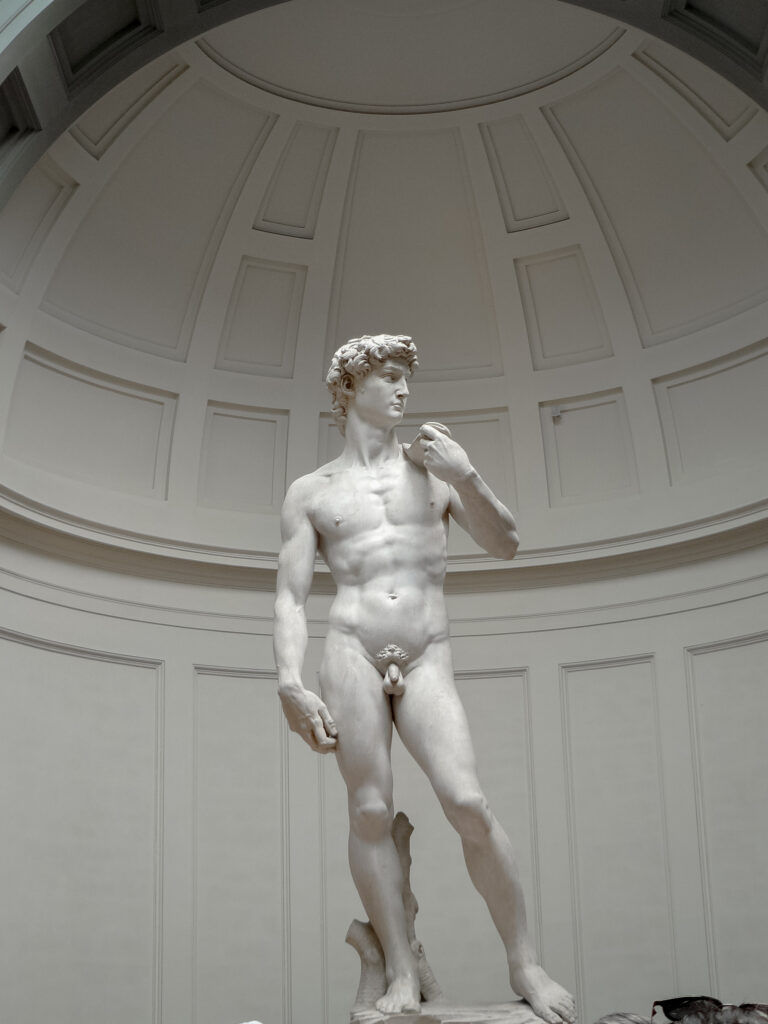
Florence is seriously like walking through an open-air museum. Between the art, the history, and the shopping, there’s plenty to fill your days. My favourite moment? Getting to see the iconic Perseus and Medusa bronze sculpture in real life. (Also, The David was pretty cool too.)
- Must-See: Uffizi Gallery is quite popular, Accademia Gallery of Florence (hello, David), and the Duomo. (Even if you don’t do the dome climb, it’s an incredible piece of architecture.)
- Cultural Tip: Reserve museum tickets in advance—they will sell out. We made that mistake when buying tickets for the Accademia Gallery of Florence, and ended up waiting in line for three hours.
- Budget Tip: Though not super exciting, visit the Central Market for decently priced meals and great people-watching.
- Extra Tip: The David is very, very popular… be prepared for lots of people, and you probably will have other people’s hands and heads in your shot, no matter how hard you try.
5. Rome – Grand, Chaotic, and Timeless
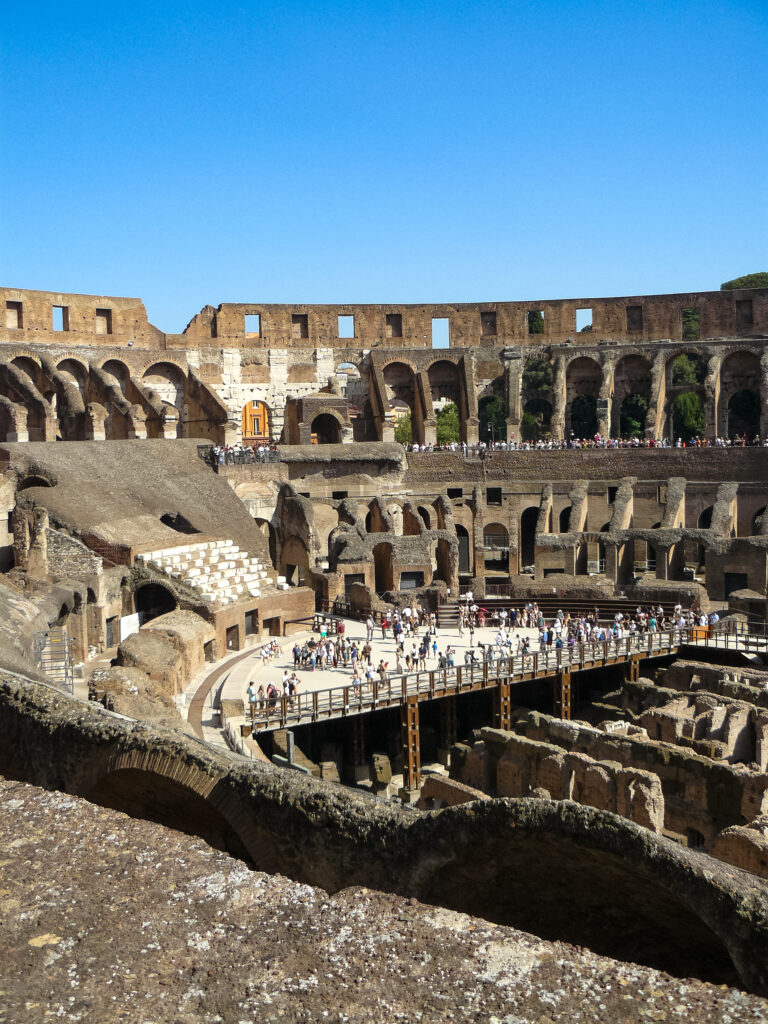
Rome felt like taking a step into the ancient world. We only had a few days here, but we squeezed in so much—Colosseum, Vatican, Trevi Fountain, you name it. It’s hot, busy, but absolutely one of the most magical places we visited.
- Must-See: Colosseum and Roman Forum are right next to each other, and incredibly well preserved. Plus, they’re still actively digging up more ruins. Both are also free to visit on the first Sunday of each month, but on a first-come, first-serve basis.
- Budget Tip: Tap water is free and cold at over 2000 street fountains in Rome, no need to buy from a street vendor. Bring a refillable bottle, and figure out where some of the fountains are before visiting.
- Cultural Tip: Shoulders and knees must be covered for church visits (including St. Peter’s and the Pantheon), bring something that covers what’s needed, but still lightweight if visiting in the summer.
- Photo Tip: Visit the Trevi Fountain early or late to skip the selfie stick mobs… but there will always be a few. Though, I believe the photo system has changed since I visited. Click here for a little more information.
If you want to make the most of your time, book tickets in advance and plan your days out. Rome is a big city, and there is lots to see!
Tips for Planning Your Italian Itinerary
- Travel by train: Italy’s regional trains are fast, cheap, and scenic. Book as far in advance as you can for the best deals.
- Mix regions: Try combining north (Dolomites/Venice) with central (Florence/Rome) and coast (Cinque Terre) for a balanced trip.
- Shoulder season travel: If you can, go in May or September to avoid peak crowds but still get great weather.
- Don’t overschedule: Leave space for wandering, aperitivo breaks, and surprise discoveries. Italy often rewards spontaneity, just don’t be too spontaneous if booking tickets for museums or attractions.
FAQ: Things To See in Italy
What are the top things to see in Italy for first-timers?
Start with the classics: Rome for ancient history, Florence for Renaissance art, and Cinque Terre for coastal beauty. It’s a great mix of culture, charm, and chill.
What’s the best way to get around Italy?
The train is best and most budget-friendly. Regional and high-speed trains connect most major cities. Book tickets in advance for better rates.
Are Italy’s museums expensive?
Some are, but many offer student or under-25 discounts, though double-check with each one that the discount is not just for EU citizens. Museum passes in cities like Florence and Rome can save you money if you’re doing multiple sites.
Can you do Italy on a budget?
Yes! Public fountains for water, €1 espresso, hostel kitchens, picnic lunches, and off-season travel can make a huge difference. Also check out my post on GetYourGuide and Viator, which explains how to get experience tickets easier, and for less.
Is it worth going to smaller towns?
Absolutely. Bologna, Lucca, Siena, and even little alpine towns offer a more relaxed vibe—and often have better food and fewer crowds.
Is Italy safe?
Yes, Italy is generally very safe for travelers, including solo travelers. Violent crime is rare, especially in tourist areas. That said, pickpocketing can be a problem in busy spots like Rome, Florence, and Venice—especially on public transportation (we had two almost incidents on trains/metro, even as a bigger group) or around popular landmarks. Keep your valuables zipped up, wear a crossbody bag, and be extra aware in crowds. A little caution goes a long way!